POMODORISSIMO! investigates how the human right to belong to a community and territory shifts, blurs, and transforms during and after migration. It focuses on the experiences of so-called “second-generation migrants”, people whose parents were born in a different country.
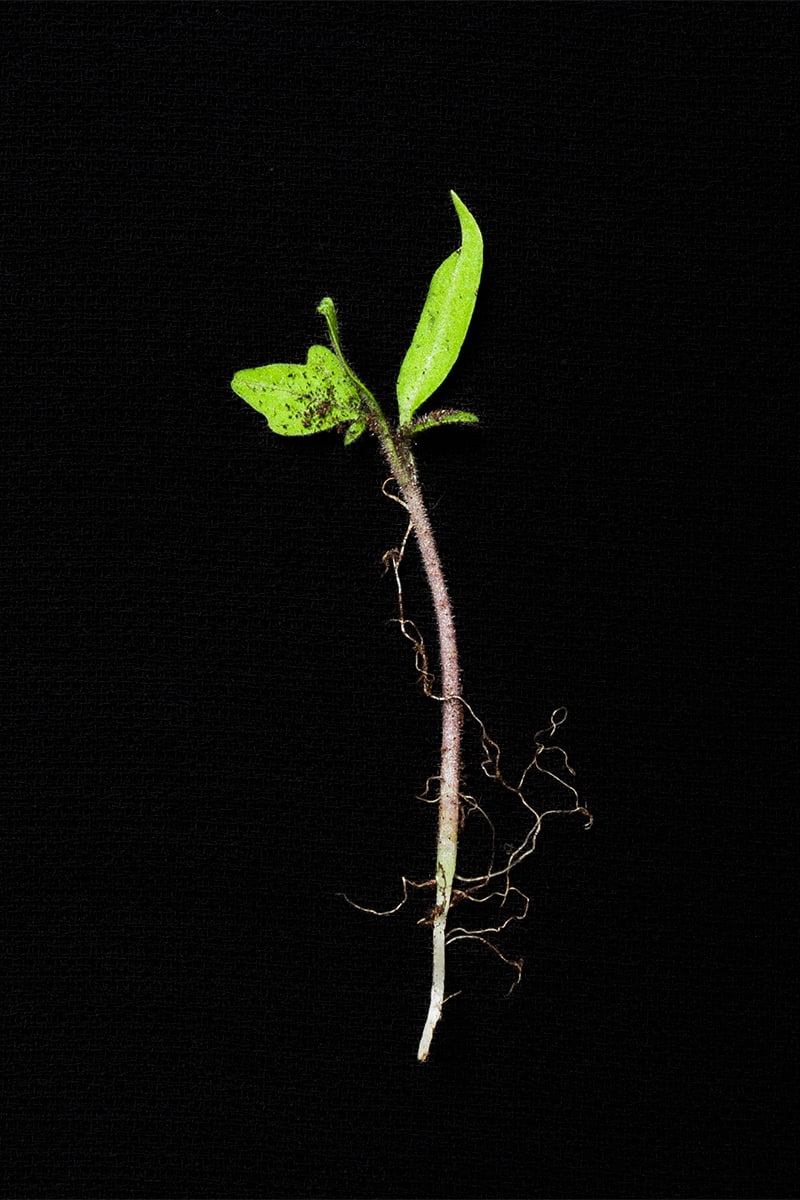
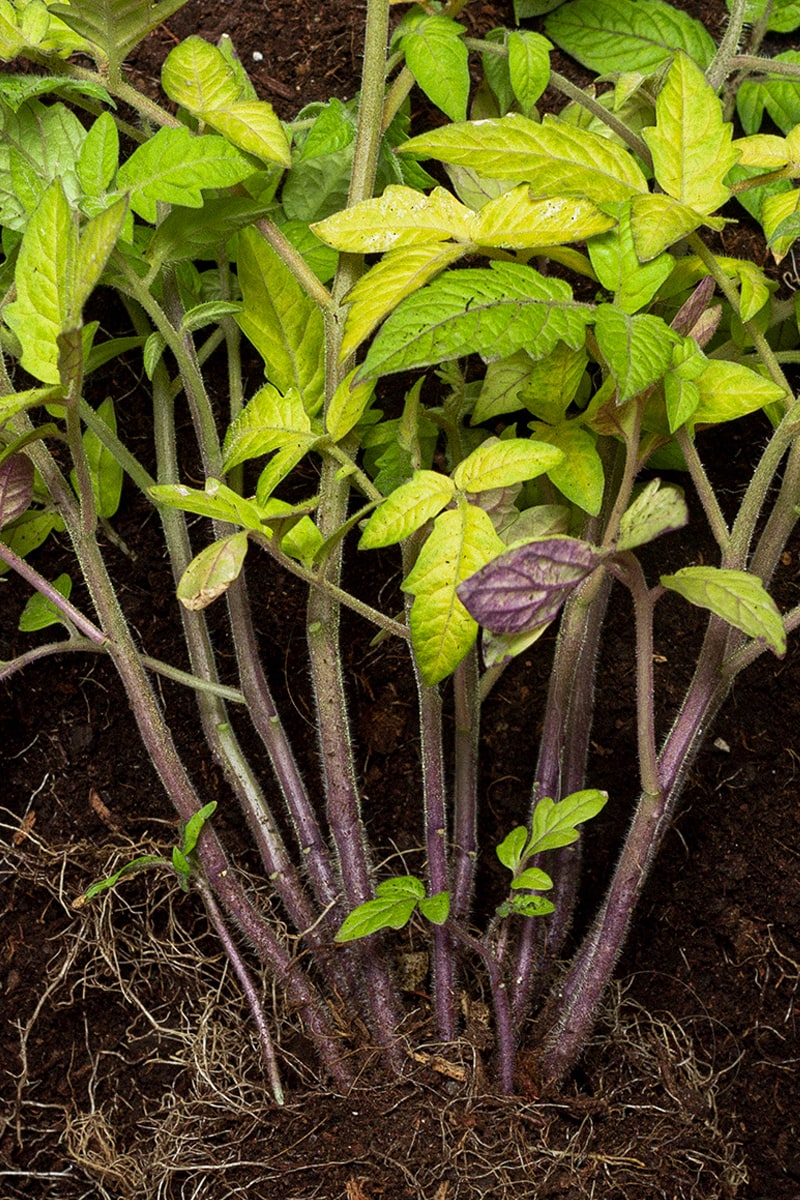
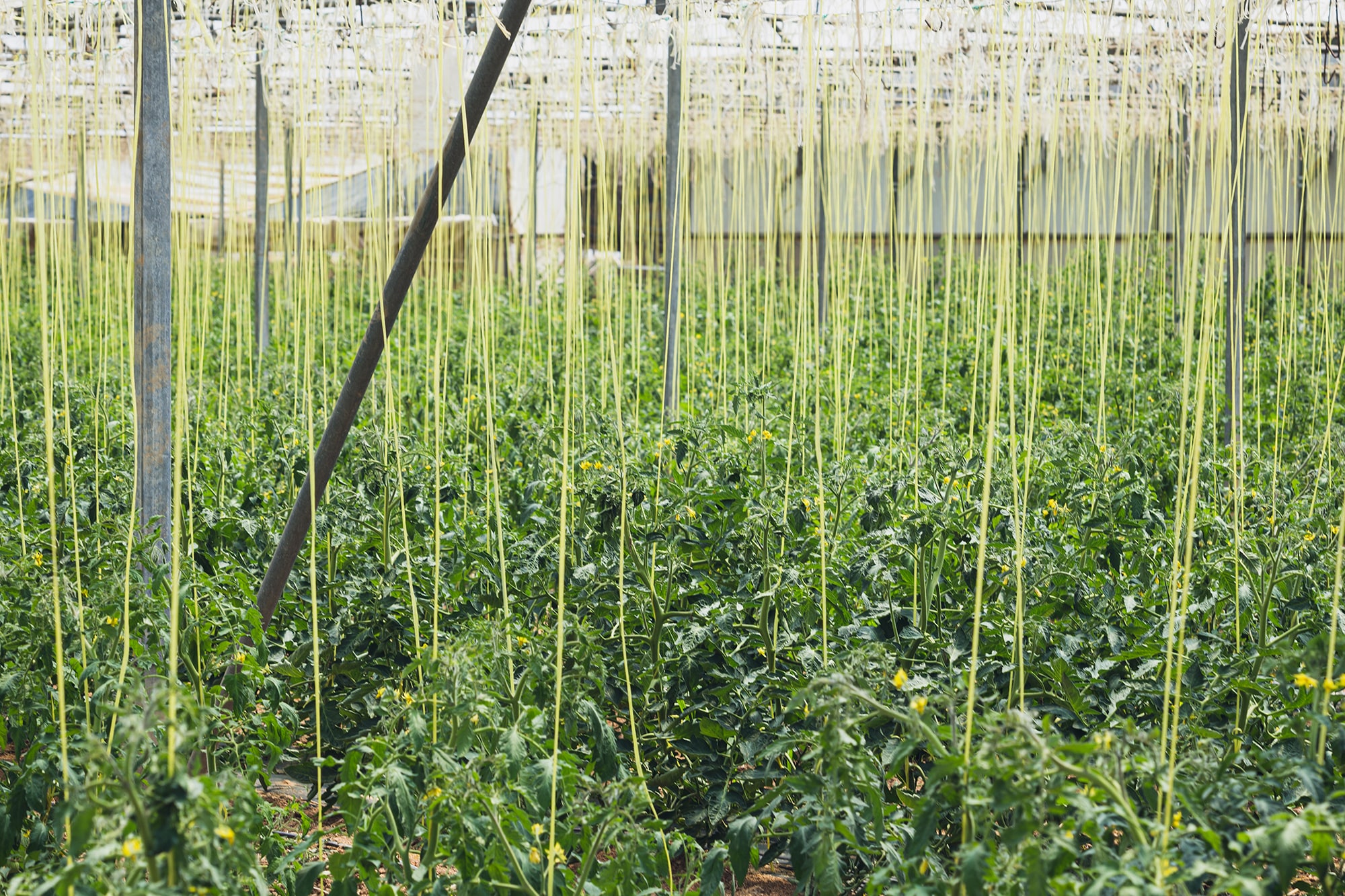
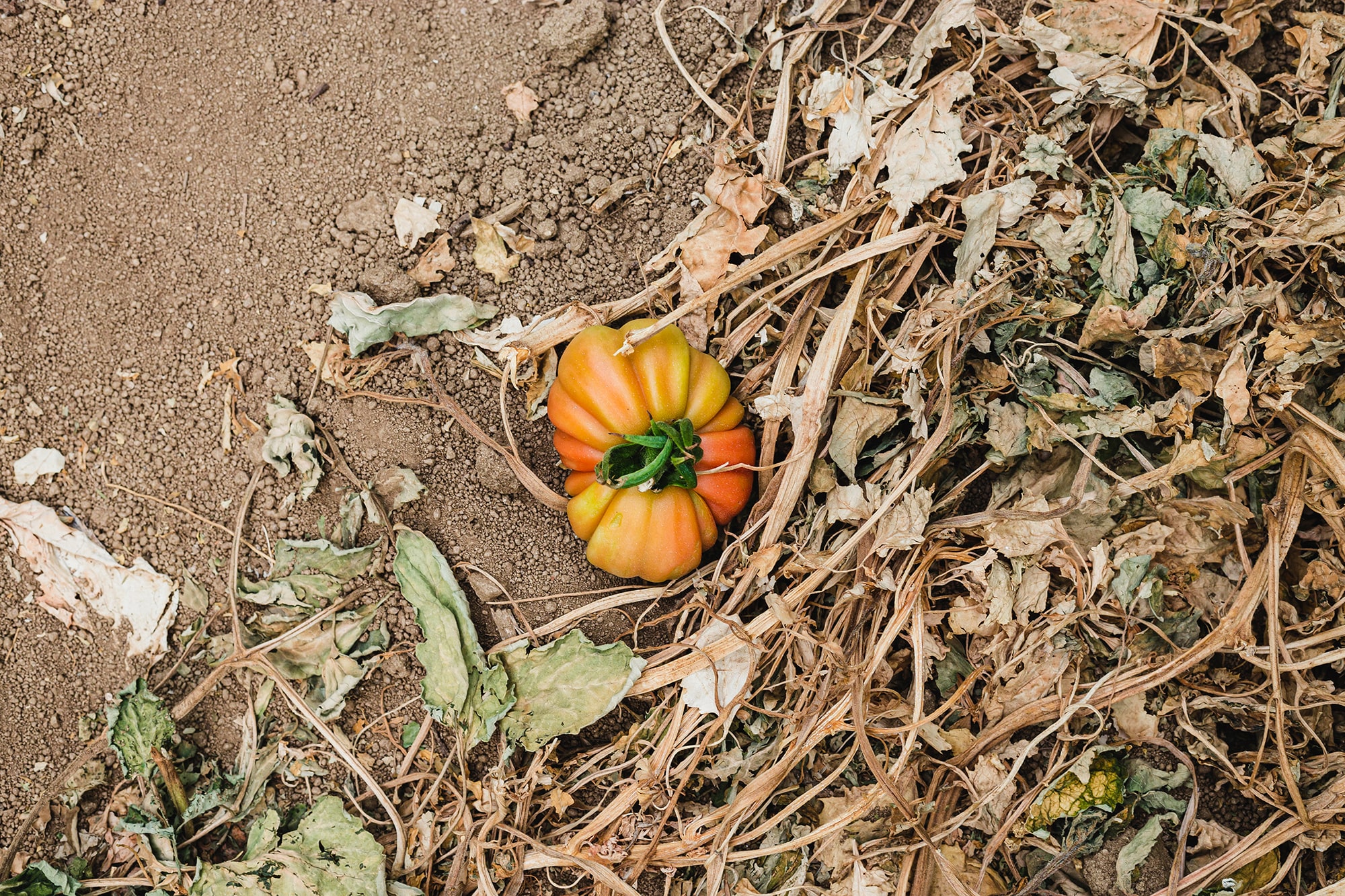
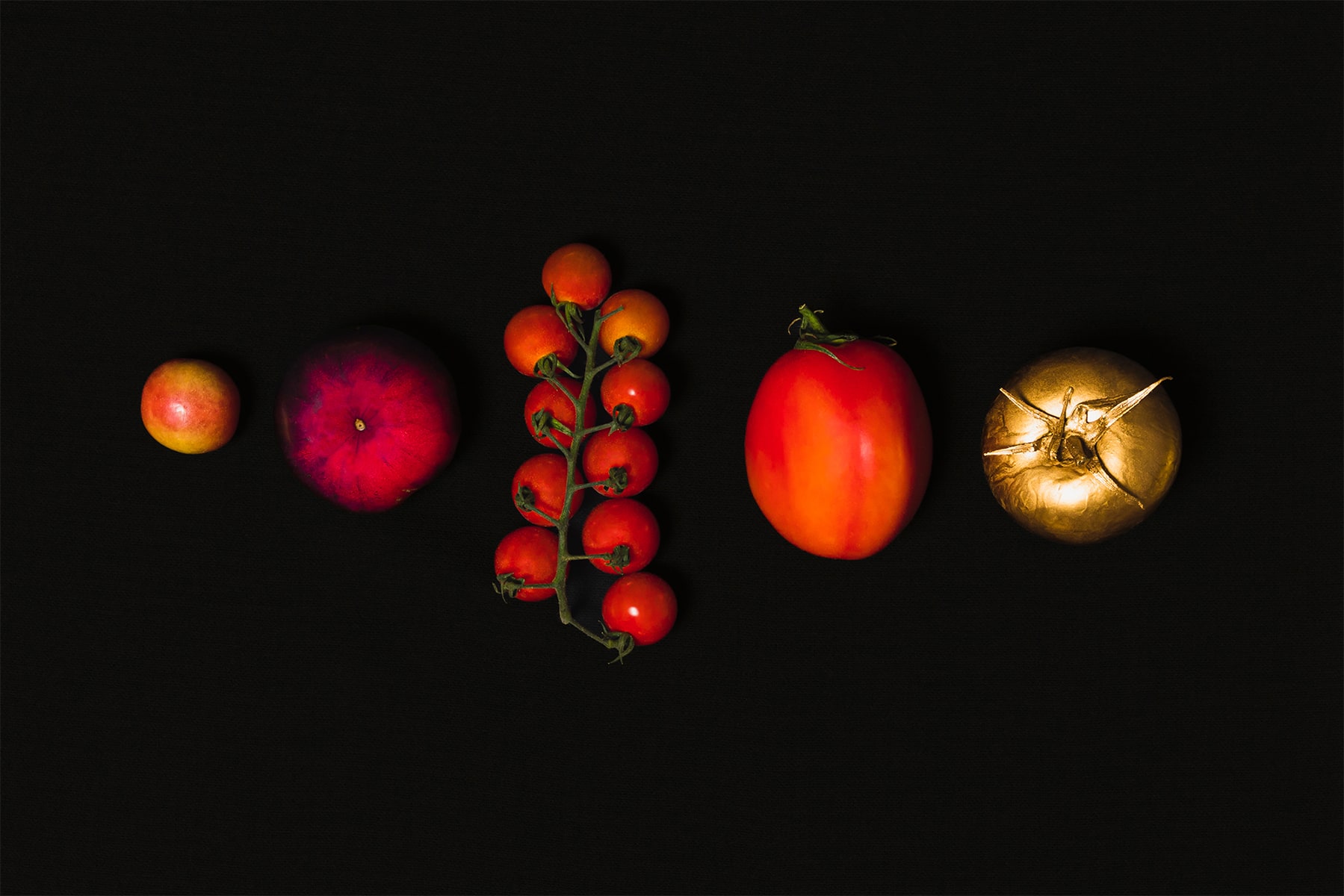
At the same time, POMODORISSIMO! traces the historical journey of the tomato: from its origins in Peru, its appropriation and assimilation in Europe, to the realities of global commercialisation.
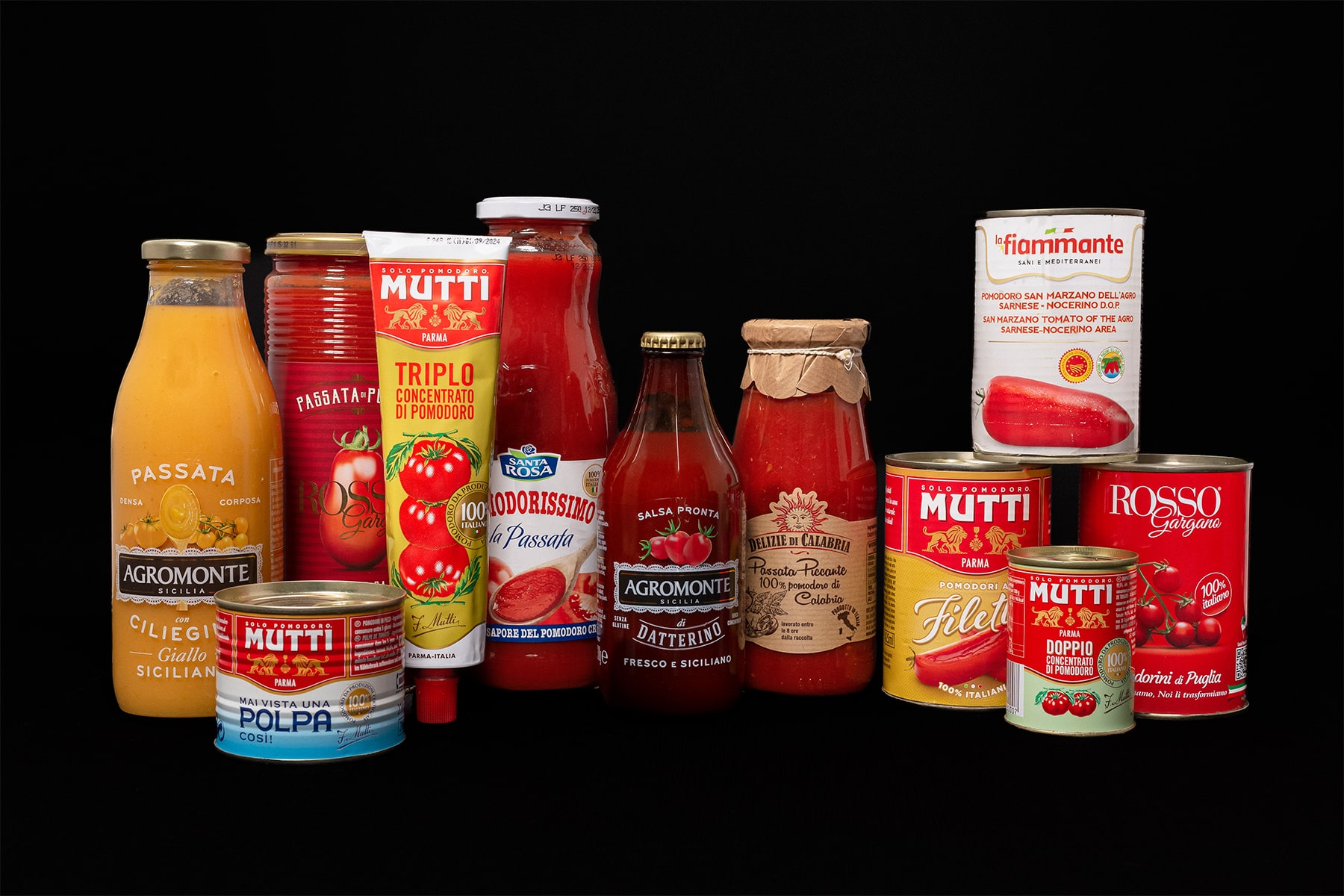
POMODORISSIMO! repurposed tomato cans featuring the faces and real-life stories of people commonly labelled as “second-generation migrants” living in Italy and Spain. Based on interviews conducted for this project, each can challenge simplistic notions of identity and belonging in the context of migration.
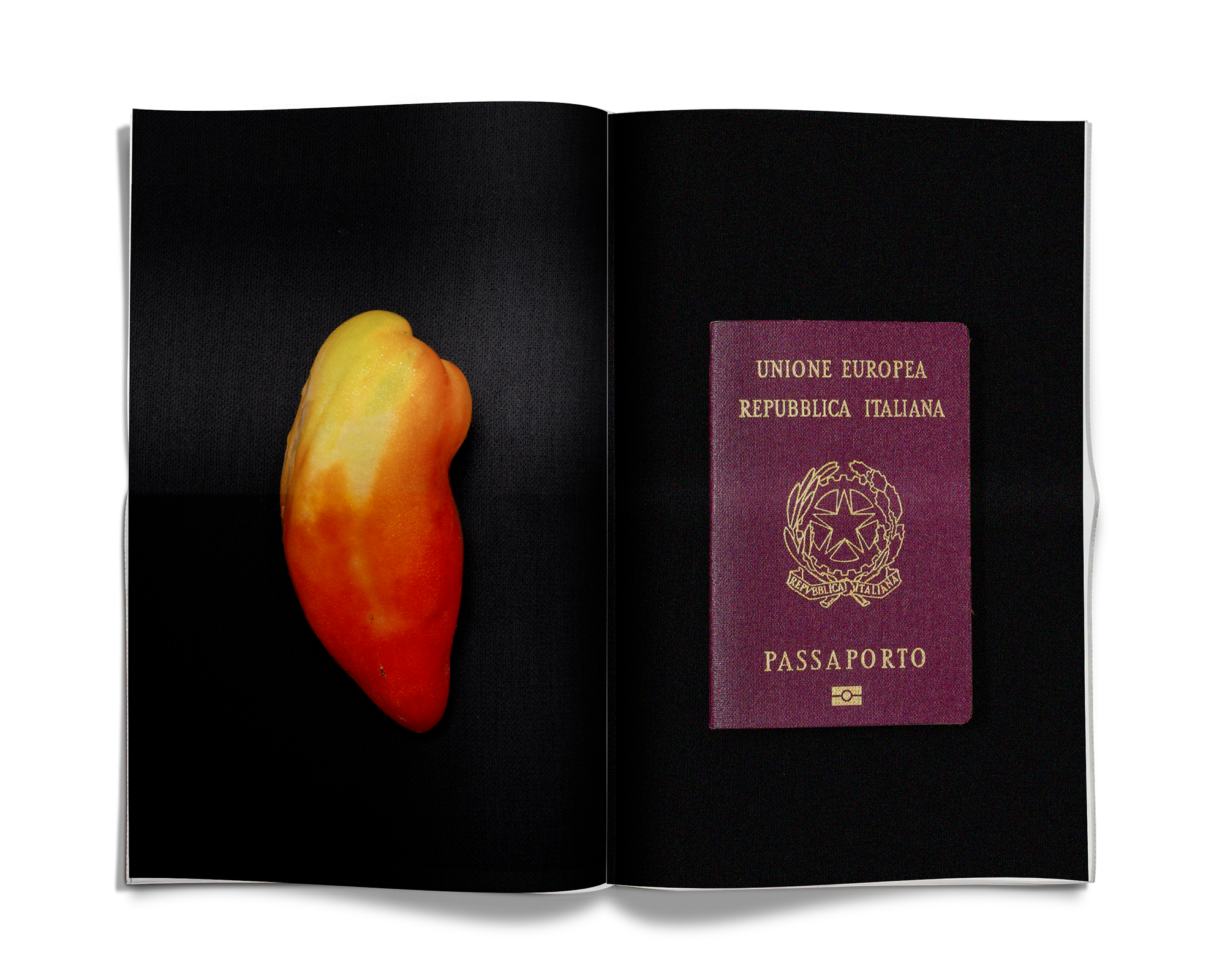
The term “second-generation migrant” is a contradiction in itself, since it refers to people born in the country to which their parents migrated. They are not migrants, yet they are constantly othered by society, governments, and institutions. In countries like Italy, where jus soli (citizenship by birth) is still denied, thousands of young people grow up being legally and symbolically excluded from full national belonging.
Through these cans, POMODORISSIMO! offers a double critique. On one side, it questions migration studies and bureaucratic language that reduce human experiences to abstract categories. On the other, it satirizes consumerism and global capitalism, where goods like tomatoes can travel freely across borders, but people cannot. If only migrants were tomatoes, the cans suggest, they would enjoy freedom of movement.
In this ironic analogy, the tomato becomes a symbol of forced assimilation and identity construction. Once feared and considered inedible when first introduced to Europe, tomatoes were gradually accepted over centuries, a process that mirrors the long path to social acceptance faced by migrant communities. According to sociological studies, it can take up to five generations for the descendants of migrants to be socially accepted in the local community.
Following the line of global consumerism, the project also includes a printed booklet designed to emulate supermarket flyers. Along with historical and contemporary information about tomatoes and migration, it contains archival images, photographs, advertisements for Italian tomatoes, and expanded excerpts from the personal stories of the canned “second-generation migrants.”
By exploring the shifting origins of tomatoes and the disorienting effects of migration, POMODORISSIMO! questions about who controls the narrative of identity and what it means to belong.
The project was selected for the Emerging Artists section at the Lianzhou Photography Festival in 2023, but was later censored by China’s Ministry of Culture and removed from the show.